















This content is locked. Please login or become a member.


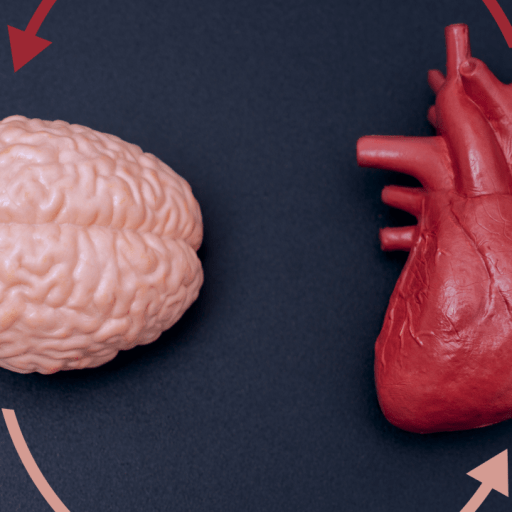
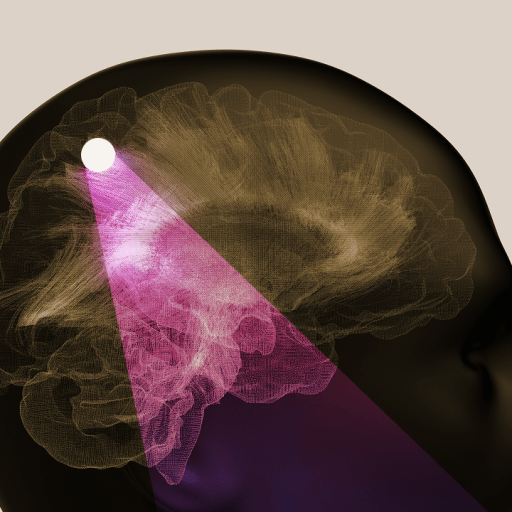



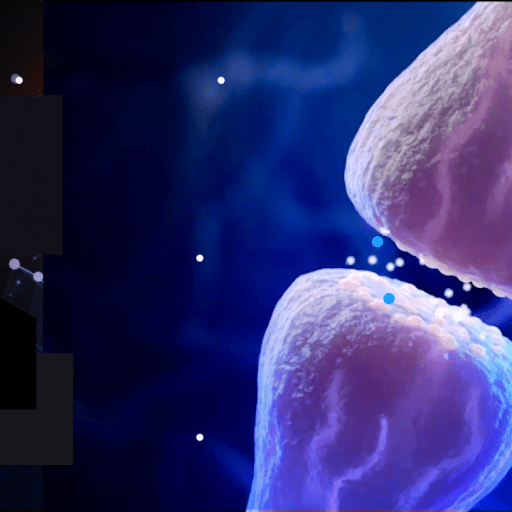








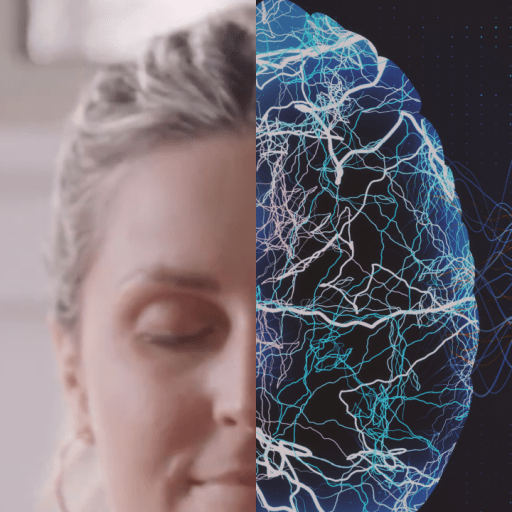

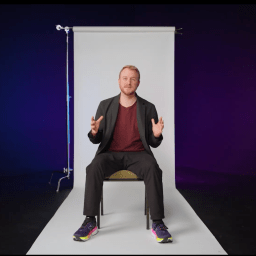
Neuroscientists Wendy Suzuki, PhD, Samuel Wang, PhD, and Gary Small, MD explain how movement increases blood flow, boosts growth factors like BDNF, and floods the brain with mood-lifting neurochemicals. The brain and body are in constant conversation, and plasticity means your wiring is never fixed. According to Suzuki, even ten minutes of walking can shift your brain’s chemistry immediately, flooding it in a ‘bubble bath’ of positive neurochemicals.
We created this video for Brain Briefs, a Big Think interview series created in partnership with Unlikely Collaborators. As a creative non-profit organization, they’re on a mission to help people challenge their perceptions and expand their thinking. Often, that growth can start with just a single unlikely question that makes you rethink your convictions and adjust your vantage point. Visit Perception Box to see more in this series.
What you do with your body affects your brain. And what you think with your brain also has an effect on the physiology of your body. It works both ways.
People have known that experience can change the brain ever since it became known that the brain was the seat of consciousness, thought and experience. The brain must undergo change to grow and to be plastic. Memory tends to decrease with age because our brains, like the rest of our body tends to age and function does not continue the way it does when we're young.
One of the things that you can do to keep your brain happy and functioning well as you get older is to have a mentally engaged lifestyle. Every single time you move your body you are giving your brain what I like to call a wonderful bubble bath of neurochemicals. Those neurochemicals include dopamine serotonin noradrenaline endorphins.
Here's the good news: You don't have to be a marathon runner to get this, because even ten minutes of walking will start to give you immediate benefits in terms of decreasing anxiety levels, decreasing depression levels. The longevity that comes with exercise, that's what everybody needs right now.
So there’s different kinds of cognitive and memory loss that occur with aging. Certain kinds of memory loss, such as forgetting where your car keys are are part of the normal process of getting older. And in fact, memory peaks surprisingly early at the age of 30 and then declines gradually with time.
If you forget where your glasses are, that's normal memory loss. If you forget the fact that you wear glasses, that's dementia. It's not well understood exactly what physically underlies this. Although plausible candidates are loss of the brain's ability to form new connections or to easily modulate the weight of the connections between nerve cells, those are called synaptic weights. And so those would be candidates for why the brain seems to be less plastic in certain ways as we get older.
You can look in the brains of people who, after death, are diagnosed as having Alzheimer's disease, and they have plaques and tangles that appear to be either the causes of cell death or perhaps the residue, the aftermath of cell death. One of the best things you can do to keep your brain alive and healthy is simply improving blood flow to the brain.
Another major mechanism that's been suggested is the secretion of a signaling molecule called brain derived neurotrophic factor. It's a factor that's made in the brain that causes neurons to grow. And that factor has been demonstrated to improve plasticity in dendrites. The idea that exercise, by triggering the secretion of BDNF, this neurotrophic factor, may lead to increased plasticity and improved brain function.
When challenged, we can do more. And everyone knows this. And in the absence of challenges we don't necessarily reach our full potential. And the current goal is to try to find ways to stave off those cognitive losses by even a few years, because as we live longer, having a few years becomes very important.
The biggest problems are not so much with long-term memories, but really the short-term memories. So we can remember our first kiss when we were in high school but we may not remember what we had for lunch.
And because we have shrinking of the brain brain cells actually start to function less efficiently and do die over time. The connections between the brain cells diminish and the neurochemical transmitters seem to have problems. So all of those kinds of physiological changes contribute to problems with memory as we age.
And what happens is that memory is basically stored in little neurochemical packets in the brain. So they can be changed and our memories can deceive us very often. It's actually possible to improve our memory ability with relatively simple strategies and techniques.
I often recommend that people find things that they prefer personally. Things that are mentally challenging but not too difficult. So the point is to train but not strain the brain. Whether it's crossword puzzles, learning languages, playing musical instruments. It's important to try out different things and do what works for you and what's enjoyable.
Here’s why there's hope for everybody and that is the principle of brain plasticity. Brain plasticity is this idea that the brain has an extraordinary capacity to change or modify its wiring based on the environment that you put the brain in, including the physical environment.
Are you walking a lot? Are you running? Are you keeping yourself physically active? These result in what I call positive brain plasticity.
What is the difference between a sedentary brain and an active brain of a runner? Well, the runner's brain has higher levels of dopamine and serotonin boosted every single time that runner goes for a run. It elevates general mood state.
Studies that I did in my lab showed that people that went to three months of spin class had overall higher mood states than people for three months who played video Scrabble. Those people in the exercise group also have much more growth factors going through their brain.
I like to think of it like a watering can of growth factors all up and down your hippocampi. What's happening? They’re growing, popping shiny new hippocampal cells and they're making their prefrontal cortex work better.
But again, everything is fluid with brain plasticity. Even if you've been sedentary all your life, you can start moving towards what I like to call bigger, fatter, fluffier and happier brain with just ten minutes of walking.
We found the same kind of benefits. Better mood, decreased anxiety, depression levels and better focus. Physical activity is the most transformative thing that you could do, not only for your body but for your brain as well.