






This content is locked. Please login or become a member.

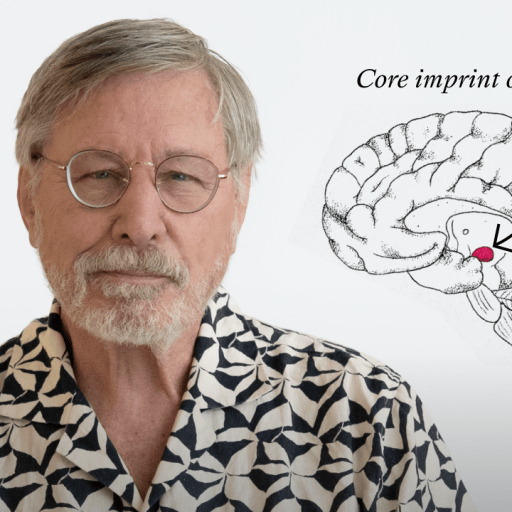
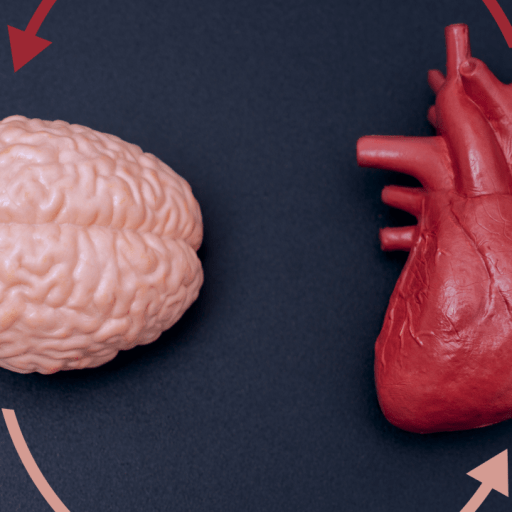


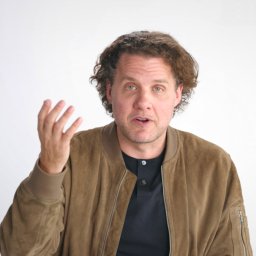
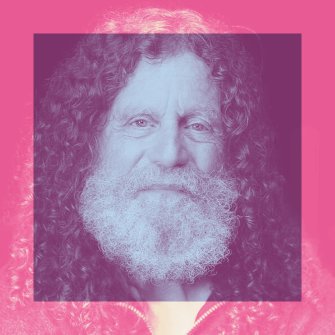
What is hope, and where does it come from? Lisa Miller, PhD, Sam Newlands, PhD, and William Magee, PhD bring together neuroscience, philosophy, and psychology to explore how hope operates between certainty and impossibility, how spiritual life protects the brain against depression and despair, and how small acts of generosity can reawaken our capacity for meaning. Hope, they argue, is something we can choose to cultivate.
We created this video for Brain Briefs, a Big Think interview series created in partnership with Unlikely Collaborators. As a creative non-profit organization, they’re on a mission to help people challenge their perceptions and expand their thinking. Often, that growth can start with just a single unlikely question that makes you rethink your convictions and adjust your vantage point. Visit Perception Box to see more in this series.
Between absolute impossibility and certainty. Well, that's the perfect space for hope to operate in.
nIt's clear, in terms of optimistic positivity as a predictor of mortality, it does predict mortality when you control for lots of different self-reported health problems. If you're interested in optimistic positivity, you wanna look at what predicts it. We're using wording effects to measure what we're calling implicit measures of close to perceptual optimism and pessimism. If you're looking at the world in more positive ways, you're taking information in, so you're reacting to it in positive ways. So when you're asking people to say things about themselves on a survey - are you a good person, a competent person? We're putting that together with some measures that ask people about how optimistic they are using language explicitly, and saying that together those things create this phenomena that goes deep to level of perception.
The interesting thing about hope is that it seems to kind of float free from judgments about the evidence. So as long as I don't believe something to be impossible, and I don't think it's certain, it seems to be a candidate for hope. Insofar as it engages my agency in the right sorts of ways, it seems like I can actually hope for it. I do think hope can be under the volitional control of an agent. Can I do things that I know, if I'm in the right community context situation, it will instill in me desires to help me see the possibility space for those desires being realized? That's exactly the kind of situation I actually do have control of for putting myself in, and I can sort of indirectly put myself in a position to inculcate deep, rich, sustaining hopes.
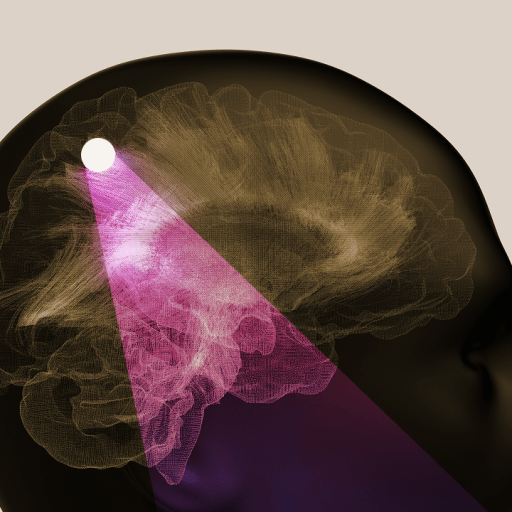
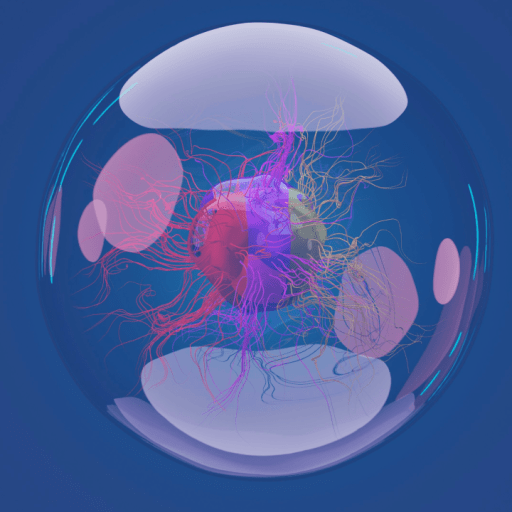
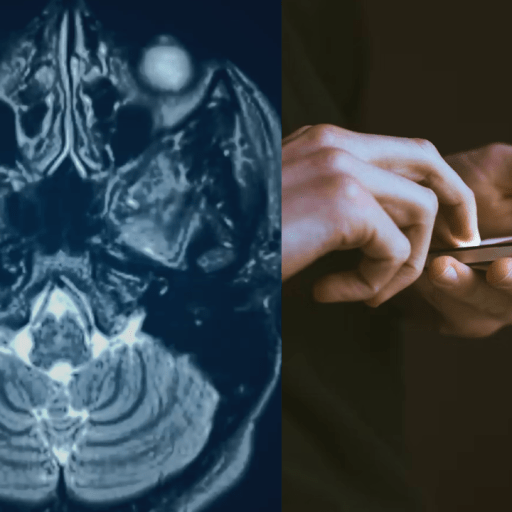
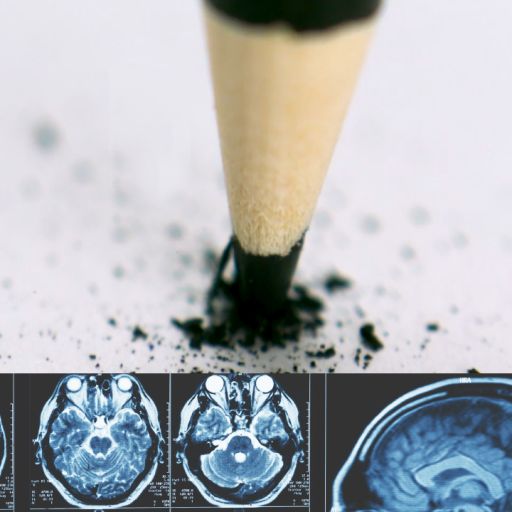
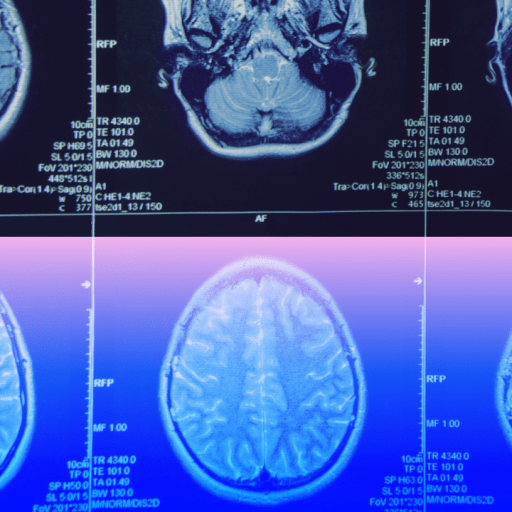
Our deep spirituality is our greatest resource for renewal, for healing. And even when we're faced with profound mental illness, it can be our source of hope. Together with my colleagues, we looked at people who recovered from depression through a spiritual awakening. Through the MRI, we saw that people had literally strengthened the brain. They had a thicker cortex across the parietal, precuneus, and occipital regions of reflection, perception, and orientation, offering some evidence that sustained spiritual life is neuroprotective against depression and despair. The awakened brain has three major networks. The frontotemporal, the ventral system, and the parietal. Each of us is able to engage our awakened brain. If you really feel trapped in despair or depression, step out of your comfort zone just enough to do something a little bit nice for someone. And as you do, you will have jump started your awakened brain.